امید ابراهیمی/رادیو راوا
editor@radiorava.com
شاید هنگامی که شاه عباس صفوی در سال ۱۶۱۱ میلادی دستور ساخت نخستین سد بر روی دریاچه طبیعی عباسآباد بهشهر را صادر کرد، کمتر کسی تصور میکرد که چند قرن بعد، سدسازی به یکی از بحثبرانگیزترین موضوعات زیستمحیطی کشور تبدیل شود.
بر اساس تعاریف موجود، سد سازهای است که به منظور مهار، ذخیره یا تغییر مسیر آب در مسیر رودخانهها احداث میشود. تأمین آب شرب، توسعه کشاورزی، کنترل سیلاب و تولید برق از مهمترین اهداف ساخت سدها به شمار میرود.
در طول سالیان گذشته ایران یکی از کشورهای فعال در حوزه سدسازی بوده است. هرچند این روند در دورههای مختلف تاریخی به صورت پراکنده دنبال میشد، اما بسیاری از کارشناسان اوج سدسازی پیش از انقلاب را مربوط به سالهای پایانی حکومت پهلوی میدانند. در آن دوران ۱۴ سد بزرگ در کشور احداث شد که برخی از مهمترین آنها در حوضههای کارون، ارومیه و بختگان قرار داشتند.
با روی کار آمدن جمهوری اسلامی، روند سدسازی شتاب بیشتری گرفت. توسعه شرکتهای پیمانکاری، افزایش اعتبارات عمرانی و نگاه سازهای به مدیریت منابع آب موجب شد دهها سد جدید در نقاط مختلف کشور احداث شود. به طوری که تنها طی یک دهه بیش از ۸۸ سد در کشور ساخته شد.
هرچند قرار بود سدها نقش مهمی در تأمین آب، تولید برق و کنترل بحران کمآبی ایفا کنند، اما به مرور زمان بسیاری از کارشناسان و حتی برخی مدیران دولتی نسبت به پیامدهای این سیاست هشدار دادند.
اسفندماه سال ۱۳۸۵ محمدباقر صدوق، عالیترین مقام وقت در حوزه محیط طبیعی سازمان حفاظت محیط زیست، در اظهارنظری کمسابقه اعلام کرد بسیاری از سدسازیها ضرورتی ندارد و تنها به دلیل وجود مافیای سدسازی انجام میشود. وی همچنین سدسازی بیرویه را یکی از عوامل مهم بیابانزایی در کشور دانست.
این اظهارات در آن زمان واکنشهای فراوانی را در پی داشت اما تنها چند روز بعد خداکرم جلالی رئیس وقت سازمان جنگلها، مراتع و آبخیزداری کشور در تأیید بخشی از این انتقادها گفت: «هزینه عملیات آبخیزداری و آبخوانداری برای ذخیره یک متر مکعب آب، به طور متوسط یک دهم هزینه تمام شده از طریق احداث سدهای بزرگ است. بنابراین خردمندانهتر و اقتصادیتر این است که دولت به جای حمایت از بخش سدسازی، از عملیات تنظیمی آبخیزداری و آبخوانداری حمایت کند.»
به گفته معاون وقت وزیر جهاد کشاورزی در دولت نهم نیز «اغلب سدهای کنونی ما عملاً به تشتکهای تبخیر تبدیل شدهاند و فقط آب و پول کشور را به هدر میدهند؛ چرا که نه تمهیدات مدیریتی لازم در اراضی بالادست را دیدهاند و نه شبکههای پاییندست راهاندازی شده است.»
شرکت مدیریت منابع آب ایران نیز در گزارشی آماری اعلام کرده بود که صدها سد در کشور به بهرهبرداری رسیدهاند و دهها پروژه دیگر نیز در مراحل ساخت و مطالعه قرار دارند. آماری که نشان میدهد نگاه سازهای به مدیریت منابع آب همچنان یکی از سیاستهای اصلی دولتها بوده است.
از سوی دیگر علیرغم هشدار بسیاری از نخبگان و فعالان حوزه محیط زیست نسبت به عواقب اصرار بیش از حد بر مدیریت سازهای در بخش آب، روند سدسازی در کشور ادامه یافت. منتقدان میگویند در حالی که بسیاری از کشورهای توسعهیافته از سالها پیش به سمت مدیریت غیرسازهای منابع آب حرکت کردهاند، در ایران همچنان ساخت سد یکی از نخستین راهکارهای مواجهه با بحران آب محسوب میشود.
سدسازی؛ صنعتی که متوقف نشد
منتقدان میگویند طی دو دهه گذشته هر زمان بحران آب در کشور تشدید شده، نخستین راهکاری که مطرح شده ساخت سدهای جدید بوده است. به اعتقاد آنان میلیاردها تومان از منابع عمومی صرف اجرای پروژههایی شده که برخی از آنها نتوانستهاند اهداف اولیه خود را محقق کنند.
برخی کارشناسان حتی از شکلگیری آنچه «اقتصاد سدسازی» مینامند سخن میگویند؛ چرخهای که در آن شرکتهای مشاور، پیمانکاران و مجریان پروژههای بزرگ عمرانی از ادامه پروژههای سازهای سود میبرند. به باور آنان، در مواردی منافع اقتصادی ناشی از اجرای پروژههای بزرگ بر ملاحظات محیط زیستی و حتی کارشناسی غلبه کرده است.
منتقدان معتقدند در برخی مناطق کشور سدها ساخته شدهاند اما شبکههای انتقال آب سالها بعد تکمیل شده یا حتی هیچگاه به بهرهبرداری کامل نرسیدهاند. از نگاه آنان این موضوع نشان میدهد که در مواردی ساخت سازه بر مدیریت منابع اولویت یافته است.
از سوی دیگر فعالان محیط زیست میگویند هزینه واقعی بسیاری از سدها تنها به رقم ساخت آنها محدود نمیشود و باید خسارتهای وارد شده به تالابها، رودخانهها، زمینهای کشاورزی و منابع آب زیرزمینی را نیز در محاسبات لحاظ کرد.
دریاچه ارومیه؛ نماد یک بحران
بسیاری از کارشناسان حوزه آب معتقدند بررسی وضعیت دریاچه ارومیه میتواند تصویری روشن از پیامدهای مدیریت نادرست منابع آب ارائه دهد.
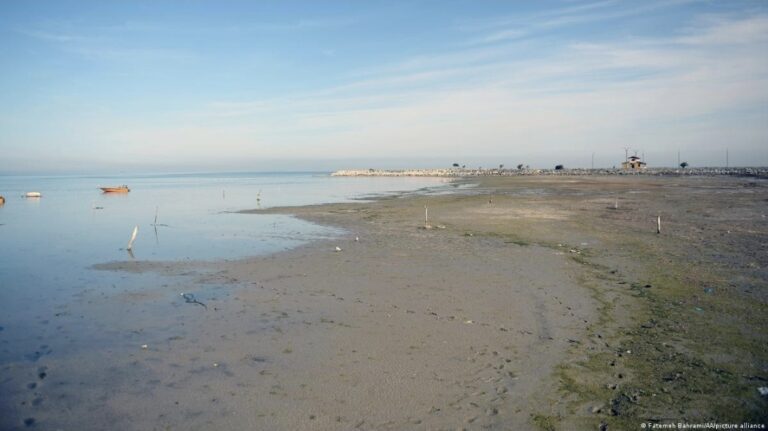
دریاچهای که زمانی یکی از بزرگترین دریاچههای شور جهان بود، طی سالهای گذشته بخش قابل توجهی از وسعت خود را از دست داد و به یکی از مهمترین دغدغههای محیط زیستی کشور تبدیل شد.
فعالان محیط زیست میگویند سدسازیهای متعدد در حوضه آبریز دریاچه، توسعه بیرویه کشاورزی و برداشت گسترده از منابع آب زیرزمینی از جمله عوامل اصلی این وضعیت بودهاند. هرچند مسئولان وزارت نیرو همواره نقش خشکسالی و کاهش بارندگی را پررنگتر دانستهاند، اما منتقدان معتقدند بدون دخالتهای انسانی چنین بحرانی هرگز رخ نمیداد.
به اعتقاد کارشناسان، بحران دریاچه ارومیه نمونهای از پیامدهای تصمیمگیریهایی است که بدون در نظر گرفتن ظرفیت واقعی اکوسیستمها انجام شدهاند.
گتوند؛ سدی که هنوز محل مناقشه است
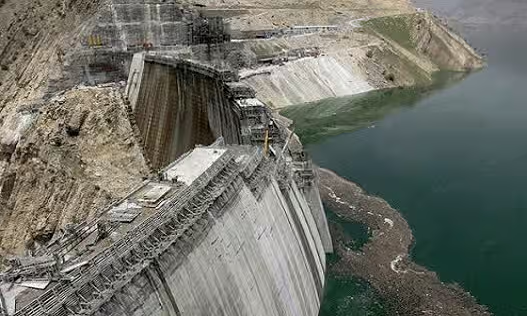
در میان پروژههای بزرگ سدسازی کشور، نام سد گتوند بیش از بسیاری از پروژههای دیگر با انتقاد همراه بوده است.
برخی متخصصان معتقدند جانمایی این سد در مجاورت سازندهای نمکی باعث افزایش شوری آب شده و خسارتهایی را به همراه داشته است. موضوعی که سالهاست محل اختلاف میان موافقان و مخالفان این پروژه به شمار میرود.
اگرچه مسئولان بارها از این پروژه دفاع کردهاند، اما همچنان نام گتوند در بسیاری از گزارشهای انتقادی درباره سدسازی دیده میشود و از آن به عنوان نمونهای از پیامدهای بیتوجهی به هشدارهای کارشناسی یاد میشود.
وقتی تالابها قربانی میشوند
منتقدان سدسازی میگویند یکی از مهمترین قربانیان توسعه سازهای در کشور تالابها بودهاند.
خشک شدن یا کاهش شدید آبگیری تالابهایی چون گاوخونی، بختگان، جازموریان و هورالعظیم طی سالهای گذشته بارها موجب نگرانی فعالان محیط زیست شده است.
به اعتقاد آنان کاهش حقآبه طبیعی این تالابها علاوه بر نابودی زیستگاههای ارزشمند، زمینه گسترش گرد و غبار، افزایش کانونهای ریزگرد و بروز مشکلات زیستمحیطی جدید را نیز فراهم کرده است.
کارشناسان معتقدند تالابها تنها پهنههای آبی نیستند، بلکه نقش مهمی در حفظ تنوع زیستی، کنترل گرد و غبار و تعادل اکولوژیک مناطق مختلف کشور ایفا میکنند. از همین رو هرگونه اختلال در حقآبه آنها میتواند آثار گستردهای بر محیط زیست و حتی زندگی جوامع محلی داشته باشد.
محمد درویش: برخی سدها بدون توجیه کارشناسی ساخته میشوند
محمد درویش عضو هیأت علمی مؤسسه تحقیقات جنگلها و مراتع کشور از جمله کارشناسانی است که طی سالهای گذشته بارها نسبت به ادامه روند سدسازی در کشور هشدار داده است.
وی اظهار داشت: «تاکنون رایزنیهای بسیاری برای توقف ساخت سدهای غیرکارشناسی انجام شده اما برخی از مسئولان مانع از انجام این کار میشوند.»
به گفته درویش، نمایندگان مجلس، ائمه جمعه و برخی مسئولان استانی در مواردی با فشار بر دولت و وزارت نیرو خواهان اجرای پروژههای سدسازی هستند؛ حتی در شرایطی که توجیه کارشناسی لازم برای اجرای چنین طرحهایی وجود ندارد.
این فعال شناخته شده محیط زیست با بیان اینکه ساخت هر سانتیمتر سد بین ۲.۱ تا ۲.۸ دلار هزینه دارد نسبت به عدم صرفه اقتصادی برخی پروژهها ابراز نگرانی کرد.
وی همچنین با اشاره به اینکه سدسازی برای تأمین آب شرب یکی از آخرین راهکارها در کشورهای توسعهیافته محسوب میشود تصریح کرد: «خطر بحران کمآبی کشور را همواره تهدید میکند اما دولت با دنبال کردن مدیریت سازهای که روشی بسیار پرهزینه است تاکنون نتوانسته اقدام مؤثری برای حل این بحران انجام دهد.»
درویش همچنین از افزایش هزینه برخی پروژههای سدسازی نسبت به برآوردهای اولیه خبر داد و افزود: «قرار بود به جای اجرای برخی طرحهای پرهزینه، پروژههای زودبازده در حوزه مدیریت منابع آب و آبخیزداری مورد توجه قرار گیرد اما تاکنون اقدام مؤثری در این زمینه صورت نگرفته است.»
نمایندگان مجلس و مطالبه ساخت سد
موضوع دیگری که طی سالهای اخیر بارها از سوی کارشناسان مطرح شده، فشارهای سیاسی و محلی برای اجرای پروژههای سدسازی است.
برخی کارشناسان معتقدند در بسیاری از مناطق کشور، ساخت سد به یک مطالبه عمومی و حتی سیاسی تبدیل شده است. در چنین شرایطی نمایندگان مجلس، مسئولان محلی و برخی گروههای ذینفوذ تلاش میکنند پروژههای سدسازی را در حوزه انتخابیه خود به سرانجام برسانند.
منتقدان میگویند همین مسئله گاه باعث شده برخی پروژهها پیش از آنکه از نظر کارشناسی به طور کامل بررسی شوند، وارد مرحله اجرا شوند.
به اعتقاد آنان، مدیریت منابع آب نیازمند تصمیمگیری ملی و مبتنی بر مطالعات علمی است و نباید تحت تأثیر فشارهای منطقهای قرار گیرد.
بحران آب؛ نتیجه خشکسالی یا سوءمدیریت؟
در حالی که بسیاری از مسئولان علت اصلی وضعیت فعلی منابع آب کشور را خشکسالی و کاهش بارندگی میدانند، گروهی از کارشناسان اعتقاد دارند که سهم مدیریت نادرست کمتر از عوامل طبیعی نیست.
آنان میگویند ایران همواره کشوری خشک و نیمهخشک بوده و کمبود بارندگی پدیده تازهای محسوب نمیشود. از نگاه این گروه، آنچه بحران کنونی را تشدید کرده، نحوه مصرف و مدیریت منابع موجود است.
بررسیها نشان میدهد بخش عمده منابع آبی کشور در بخش کشاورزی مصرف میشود. کارشناسان معتقدند در بسیاری از مناطق کشور هنوز روشهای سنتی آبیاری مورد استفاده قرار میگیرد و همین موضوع باعث هدررفت حجم قابل توجهی از منابع آبی شده است.
از سوی دیگر برداشت بیرویه از سفرههای زیرزمینی نیز به یکی از مهمترین چالشهای کشور تبدیل شده است. در بسیاری از دشتهای ایران میزان برداشت از منابع زیرزمینی بسیار بیشتر از ظرفیت تجدیدپذیر آنها بوده است.
فرونشست زمین؛ بحران خاموش
یکی از پیامدهای کمتر دیده شده بحران آب، پدیده فرونشست زمین است؛ پدیدهای که کارشناسان از آن به عنوان زلزله خاموش یاد میکنند.
برداشت گسترده از منابع آب زیرزمینی در سالهای گذشته موجب شده بسیاری از دشتهای کشور با پدیده نشست زمین روبهرو شوند.
کارشناسان هشدار میدهند که فرونشست برخلاف بسیاری از بحرانهای دیگر تقریباً غیرقابل بازگشت است و میتواند خسارتهای جبرانناپذیری به زیرساختهای کشور وارد کند.
در برخی مناطق آثار فرونشست در زمینهای کشاورزی، جادهها، خطوط انتقال نیرو و حتی مناطق مسکونی مشاهده شده است.
به اعتقاد متخصصان، ادامه روند فعلی میتواند ابعاد این بحران را در سالهای آینده گستردهتر کند.
تجربه جهان چه میگوید؟
در حالی که سدسازی در ایران همچنان یکی از اصلیترین ابزارهای مدیریت منابع آب محسوب میشود، بسیاری از کشورهای جهان مسیر متفاوتی را در پیش گرفتهاند.
بر اساس آمارهای منتشر شده از سوی نهادهای بینالمللی، طی سالهای گذشته صدها سد در کشورهای مختلف جهان تخریب یا از مدار بهرهبرداری خارج شدهاند.
کارشناسان میگویند بسیاری از این کشورها پس از دههها تجربه سدسازی به این نتیجه رسیدهاند که هزینههای زیستمحیطی برخی پروژهها بیش از منافع آنهاست.
به همین دلیل مدیریت مصرف، بازچرخانی آب، آبخیزداری، احیای رودخانهها و حفاظت از منابع زیرزمینی به تدریج جایگزین بخشی از سیاستهای سازهای شده است.
موافقان سدسازی چه میگویند؟
در مقابل تمامی این انتقادها، موافقان سدسازی همچنان از نقش سدها در توسعه کشور دفاع میکنند.
آنان معتقدند کشوری با شرایط اقلیمی ایران بدون زیرساختهای ذخیرهسازی آب قادر به تأمین نیازهای شرب، کشاورزی و صنعتی خود نخواهد بود.
به گفته این گروه، بسیاری از شهرهای کشور امروز آب مورد نیاز خود را از سدها تأمین میکنند و بخش مهمی از برق کشور نیز توسط نیروگاههای برقآبی تولید میشود.
موافقان همچنین تأکید میکنند که نمیتوان همه مشکلات فعلی منابع آب را به سدسازی نسبت داد و عواملی چون خشکسالی، تغییر اقلیم، رشد جمعیت و افزایش مصرف نیز در شکلگیری شرایط کنونی نقش داشتهاند.
با این حال حتی برخی از حامیان سدسازی نیز معتقدند دوران نگاه صرفاً سازهای به پایان رسیده و مدیریت منابع آب نیازمند مجموعهای از راهکارهای مکمل است.
آب، قربانی توسعه یا سوءمدیریت؟
با نگاهی به آمار بحران بیآبی که این روزها ایران را درگیر خود کرده است میتوان دریافت که مسئله آب دیگر تنها یک دغدغه محیط زیستی نیست. خشک شدن تالابها، کاهش ذخایر آب زیرزمینی، فرونشست زمین و افزایش تنش آبی در بسیاری از استانهای کشور نشان میدهد که زنگ خطر مدتهاست به صدا درآمده است.
کارشناسان معتقدند بخش مهمی از مشکلات فعلی نه به کمبود مطلق منابع آب، بلکه به شیوه مدیریت این منابع بازمیگردد. آنان میگویند در شرایطی که بسیاری از کشورهای جهان مسیر خود را از توسعه سازهای به سمت مدیریت مصرف و حفاظت از منابع موجود تغییر دادهاند، در ایران همچنان سدسازی یکی از اصلیترین راهکارهای مقابله با بحران آب به شمار میرود.
با این حال پرسشی که همچنان بیپاسخ مانده آن است که آیا ادامه این مسیر میتواند کشور را از بحران کنونی نجات دهد یا آنکه باید در سیاستهای گذشته بازنگری جدی صورت گیرد؟
پرسشی که پاسخ آن نه فقط سرنوشت سدهای آینده، بلکه آینده منابع آبی ایران را برای نسلهای بعدی مشخص خواهد کرد.